.svg)

.svg)

.svg)
Expand sales across local customers
The platform offers small and medium-sized retailers the opportunity to expand their sales beyond local customers.

How do you assess the current situation and development of retail?
The retail sector is heavily influenced by SMEs. Ninety percent of companies have up to 20 employees. A total of around three million people work in retail. This makes retail one of the most important sectors in Germany.
However, the sector is currently facing major challenges. There is a profound structural change taking place. Digitalization, demographic change, changing consumer behavior and increasing competition — these are the major trends that are shaping structural change and are demanding a great deal from smaller retailers in particular.
Competition from the Internet in particular is continuously gaining market shares and withdrawing sales from stationary retail. The trend of shopping via computer or smartphone is irreversible. Online customers appreciate the almost unlimited range of goods, prepared in a time-saving way by price search engines, the elimination of the annoying search for parking spaces in the city and the delivery of the goods to their homes.
However, this structural change does not only affect retail trade alone! How would the Ministry of Economic Affairs and Energy want to support this?
That's right, the effects of structural change affect not only retailers themselves, but society as a whole: As a result of shop closures, inner cities are threatening to become deserted, and local supply in rural regions is increasingly at risk.
The Federal Ministry of Economics and Energy therefore launched the “Retail Dialogue Platform” project in 2015. The results of 16 expert workshops have been available since June this year and can be found on the website
www.dialogplattform-einzelhandel.de can be accessed. The recommendations, which were developed by a variety of experts in intensive discussions, include how local supply can be maintained in rural areas, how we can keep our cities lively and attractive, how companies can react to the challenges of digitization and what measures should be taken in the area of work and education. Representatives from companies, associations, chambers, trade unions, federal, state and local governments as well as from science, with their respective views and experience, have contributed to the dialogue. Representatives from all important groups affected by the structural change were therefore involved.
And which key points were you able to work out together?
An important finding of the dialogue platform is that even the smallest local retailers must be visible on the Internet in order to be noticed by their (potential) customers. Being able to find it on the Internet is a must - but having your own online shop is not always necessary. However, this can lead to new customers and additional sales. I can only recommend that every retailer take a look at the results of our retail dialogue platform.
How can Lozuka provide additional support?
Lozuka's business idea is welcome in two ways, also in view of the objectives of the retail dialogue platform: The platform offers small and medium-sized retailers the opportunity to expand their sales beyond local customers. It also contributes to local supply for the population in rural areas. Lozuka combines retailers and service providers in a regional (virtual) web department store and thus maintains online sales in the region.
I welcome this innovative business idea, as it actively addresses the current challenges of German retail and, as a result, maintains added value and, as a result, jobs in the region. I would be very pleased if the Lozuka concept continues to develop well and expand into other regions.
Dirk Wiese, Parliamentary State Secretary to the Federal Minister for Economic Affairs and Energy
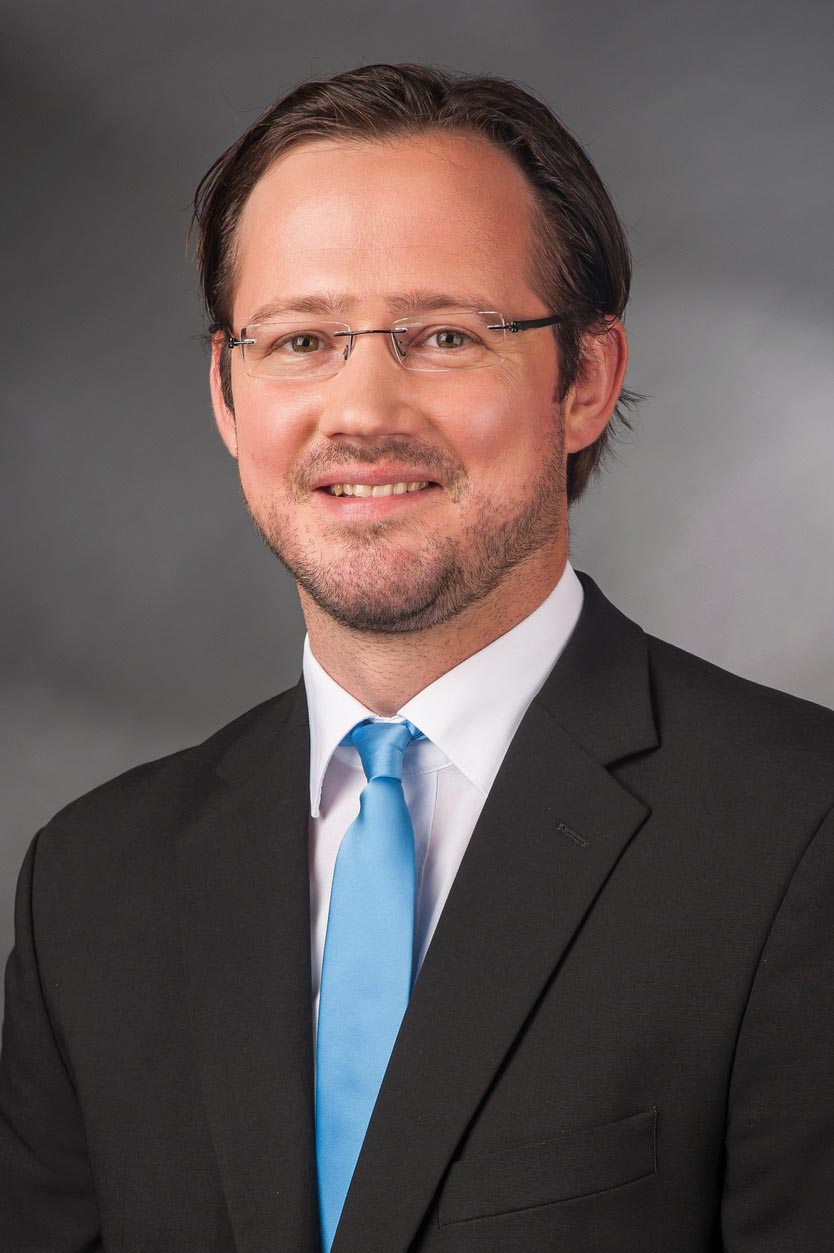
“The platform offers small and medium-sized retailers the opportunity to expand their sales beyond local customers.“
.svg)

.svg)